Journal consideration and publication are subject to editorial review, peer review and applicable journal policies.
Conference Notifications:
"Be sure to check this section regularly for all Research Plus International Conference updates. We’ll keep you informed about deadlines, event details, and more important notifications."
Call for Papers Extended:
"The deadline for full paper submissions has been extended for the Research Plus International Conference in
Copenhagen. Submit your research by today to participate in one of the top conferences."
Certificate of Presentation:
"Present your research and receive a Certificate of Presentation to recognise your valuable contribution to the conference."
Abstract Submissions Open:
"Abstract submissions for the Copenhagen event are now open! Don’t miss the chance to present your research. Submit now."
Networking with Global Experts:
"Engage with researchers and professionals from around the world at the Copenhagen conference. Build collaborations and gain insights from leading experts."
Keynote Speaker Sessions:
"Don’t miss our Keynote Sessions in Copenhagen, featuring global leaders and innovators sharing their knowledge."
Best Paper & Best Paper Presentation Award:
"Submit your paper and stand a chance to win the Best Paper Presentation Award. The winner will be recognized at the conference in Copenhagen."
SDG-Inspired Conference Focus:
"Our conference will highlight research that addresses global sustainability, inclusive education, and solutions for environmental challenges."
Conference Session Tracks
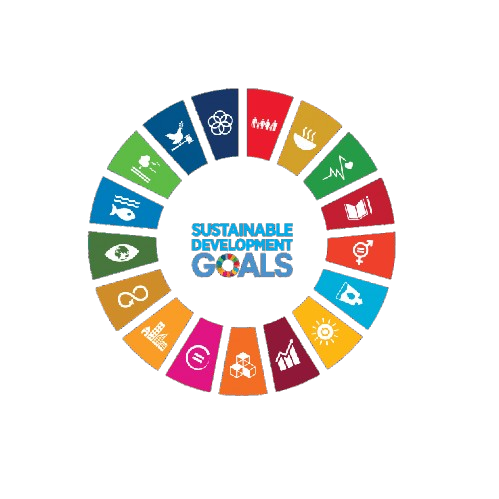
Aligned with
UN Sustainable Development Goals
This conference contributes to global sustainability by aligning its research discussions and academic sessions with key United Nations Sustainable Development Goals. It fosters knowledge exchange, innovation, and collaborative engagement.

Foundations of Inquiry-Based Learning
This track explores the theoretical underpinnings of inquiry-based learning, focusing on its historical development and key principles. Participants will examine how these foundations inform contemporary educational practices in various disciplines.
Inquiry-Based Methodologies in Science Education
This session will delve into specific inquiry-based methodologies employed in teaching physical and life sciences. Attendees will share effective strategies and frameworks that enhance student engagement and understanding through inquiry.
Characteristics and Levels of Inquiry
This track focuses on the diverse characteristics and levels of inquiry-based learning, from structured to open inquiry. Discussions will highlight how these levels can be effectively integrated into curricula to foster deeper learning.
Advantages of Inquiry-Based Learning
Participants in this session will analyze the various advantages of implementing inquiry-based learning in educational settings. Emphasis will be placed on student outcomes, engagement, and critical thinking skills.
Pre-Planning and Brainstorming for Inquiry
This track will cover the essential pre-planning and brainstorming techniques that educators can use to facilitate inquiry-based learning. Effective strategies for generating questions and guiding student inquiry will be discussed.
Questioning Techniques in Inquiry-Based Teaching
This session will explore the role of questioning in inquiry-based teaching, emphasizing how effective questioning can drive student inquiry and critical thinking. Participants will share best practices for developing and implementing questioning strategies.
Open and True Inquiry Learning
This track will investigate the concepts of open and true inquiry learning, focusing on how these approaches differ from traditional methods. Participants will discuss the implications of these models for curriculum design and student autonomy.
Inquisitive Learning in the Classroom
This session will highlight the importance of fostering an inquisitive learning environment in the classroom. Educators will share innovative practices that encourage curiosity and exploration among students.
Inquiry-Based Science Education: Challenges and Solutions
This track will address common misconceptions and challenges associated with inquiry-based science education. Participants will collaborate to identify practical solutions and strategies for overcoming these obstacles.
Neuroscience and Inquiry-Based Learning
This session will explore the intersection of neuroscience and inquiry-based learning, examining how brain research informs teaching practices. Participants will discuss the implications of cognitive science for enhancing inquiry-based approaches.
Evaluating Inquiry-Based Learning Outcomes
This track will focus on assessment strategies for evaluating the outcomes of inquiry-based learning initiatives. Educators will share tools and methodologies for measuring student engagement, understanding, and skill development.