Journal consideration and publication are subject to editorial review, peer review and applicable journal policies.
Conference Notifications:
"Be sure to check this section regularly for all Research Plus International Conference updates. We’ll keep you informed about deadlines, event details, and more important notifications."
Call for Papers Extended:
"The deadline for full paper submissions has been extended for the Research Plus International Conference in
New York. Submit your research by today to participate in one of the top conferences."
Certificate of Presentation:
"Present your research and receive a Certificate of Presentation to recognise your valuable contribution to the conference."
Abstract Submissions Open:
"Abstract submissions for the New York event are now open! Don’t miss the chance to present your research. Submit now."
Networking with Global Experts:
"Engage with researchers and professionals from around the world at the New York conference. Build collaborations and gain insights from leading experts."
Keynote Speaker Sessions:
"Don’t miss our Keynote Sessions in New York, featuring global leaders and innovators sharing their knowledge."
Best Paper & Best Paper Presentation Award:
"Submit your paper and stand a chance to win the Best Paper Presentation Award. The winner will be recognized at the conference in New York."
SDG-Inspired Conference Focus:
"Our conference will highlight research that addresses global sustainability, inclusive education, and solutions for environmental challenges."
Conference Session Tracks
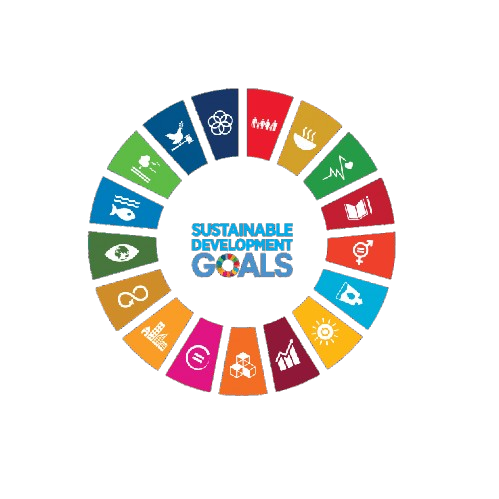
Aligned with
UN Sustainable Development Goals
This conference contributes to global sustainability by aligning its research discussions and academic sessions with key United Nations Sustainable Development Goals. It fosters knowledge exchange, innovation, and collaborative engagement.

Understanding Domestic Violence in Historical Contexts
This track explores the historical roots and societal implications of domestic violence across various cultures. It aims to analyze how historical narratives shape contemporary understandings and responses to domestic abuse.
The Role of Complex Systems in Violence Dynamics
This session focuses on the application of complex systems theory to understand the multifaceted nature of violence. Participants will examine how interconnected social, economic, and political factors contribute to the emergence and perpetuation of violence.
Genocide Studies: Comparative Perspectives
This track invites papers that provide comparative analyses of different genocides throughout history. By examining case studies, participants will uncover patterns, motivations, and consequences of genocidal acts.
Human Rights Violations and Their Aftermath
This session addresses the long-term impacts of human rights violations on affected populations. Discussions will focus on recovery, resilience, and the role of international law in addressing these violations.
Prevention and Punishment of Genocide: Global Strategies
This track examines international frameworks and local initiatives aimed at preventing genocide and punishing perpetrators. Participants will discuss the effectiveness of these strategies and propose innovative solutions.
Crimes Against Humanity: Legal and Ethical Dimensions
This session delves into the legal definitions and ethical considerations surrounding crimes against humanity. It will explore case law, accountability mechanisms, and the moral imperatives driving prosecutions.
Trauma and Memory: The Legacy of Genocide
This track focuses on the psychological and cultural impacts of genocide on survivors and communities. It will explore how trauma is transmitted across generations and the role of memory in healing processes.
Truth Commissions: Mechanisms for Reconciliation
This session investigates the role of truth commissions in addressing past atrocities and fostering reconciliation. Participants will analyze case studies to evaluate their effectiveness and challenges.
War Crimes and Accountability: Historical and Contemporary Issues
This track examines the prosecution of war crimes from historical and contemporary perspectives. Discussions will focus on the challenges of accountability in conflict zones and the role of international tribunals.
Colonial Genocides: Uncovering Hidden Histories
This session aims to shed light on genocides committed during colonial periods, exploring their impact on indigenous populations. Participants will discuss the implications of these histories for contemporary social justice movements.
Resistance and Resilience: Grassroots Movements Against Violence
This track highlights the role of grassroots movements in resisting violence and advocating for human rights. Participants will examine case studies of successful resistance efforts and their implications for future activism.