Conference Notifications:
"Be sure to check this section regularly for all Research Plus International Conference updates. We’ll keep you informed about deadlines, event details, and more important notifications."
Call for Papers Extended:
"The deadline for full paper submissions has been extended for the Research Plus International Conference in
Bydgoszcz. Submit your research by today to participate in one of the top conferences."
Certificate of Presentation:
"Present your research and receive a Certificate of Presentation to recognise your valuable contribution to the conference."
Abstract Submissions Open:
"Abstract submissions for the Bydgoszcz event are now open! Don’t miss the chance to present your research. Submit now."
Networking with Global Experts:
"Engage with researchers and professionals from around the world at the Bydgoszcz conference. Build collaborations and gain insights from leading experts."
Keynote Speaker Sessions:
"Don’t miss our Keynote Sessions in Bydgoszcz, featuring global leaders and innovators sharing their knowledge."
Best Paper & Best Paper Presentation Award:
"Submit your paper and stand a chance to win the Best Paper Presentation Award. The winner will be recognized at the conference in Bydgoszcz."
SDG-Inspired Conference Focus:
"Our conference will highlight research that addresses global sustainability, inclusive education, and solutions for environmental challenges."
Conference Session Tracks
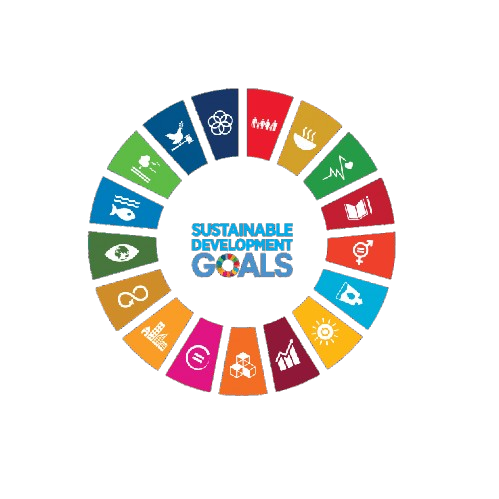
Aligned with
UN Sustainable Development Goals
This conference contributes to global sustainability by aligning its research discussions and academic sessions with key United Nations Sustainable Development Goals. It fosters knowledge exchange, innovation, and collaborative engagement.


Innovative Approaches to Vector-Borne Disease Surveillance
This track will explore novel methodologies and technologies for the surveillance of vector-borne diseases. Emphasis will be placed on integrating data from various sources to enhance public health responses.
Community Engagement in Vector-Borne Disease Prevention
This session will focus on the role of community involvement in the prevention and control of vector-borne diseases. Discussions will highlight successful case studies and strategies for fostering community resilience.
Impact of Climate Change on Vector-Borne Diseases
This track will examine the relationship between climate change and the emergence of vector-borne diseases. Researchers will present findings on how shifting environmental conditions affect disease transmission dynamics.
Public Health Policy and Vector-Borne Disease Management
This session will address the formulation and implementation of public health policies aimed at managing vector-borne diseases. Participants will discuss the challenges and successes of policy interventions in various contexts.
Individual and Community Resilience in Health Crises
This track will investigate the factors contributing to individual and community resilience during health crises, particularly in the context of vector-borne diseases. Insights will be shared on enhancing preparedness and response strategies.
Vector Control Strategies: Innovations and Challenges
This session will focus on the latest innovations in vector control strategies for combating vector-borne diseases. Participants will discuss the effectiveness and challenges of these strategies in diverse settings.
Socioeconomic Factors Influencing Vector-Borne Disease Spread
This track will explore how socioeconomic factors contribute to the spread of vector-borne diseases. Researchers will present evidence linking poverty, education, and access to healthcare with disease prevalence.
One Health Approach to Vector-Borne Diseases
This session will highlight the One Health approach, emphasizing the interconnectedness of human, animal, and environmental health in addressing vector-borne diseases. Case studies will illustrate successful interdisciplinary collaborations.
Mental Health Implications of Vector-Borne Diseases
This track will delve into the mental health consequences of vector-borne diseases on affected individuals and communities. Discussions will focus on the importance of integrating mental health support into public health initiatives.
Technological Innovations in Vector-Borne Disease Research
This session will showcase cutting-edge technologies and methodologies being utilized in vector-borne disease research. Participants will discuss the implications of these innovations for public health practice.
Global Collaboration in Tackling Vector-Borne Diseases
This track will emphasize the importance of global partnerships and collaborations in addressing vector-borne diseases. Participants will share experiences and strategies for fostering international cooperation in public health.