Conference Notifications:
"Be sure to check this section regularly for all Research Plus International Conference updates. We’ll keep you informed about deadlines, event details, and more important notifications."
Call for Papers Extended:
"The deadline for full paper submissions has been extended for the Research Plus International Conference in
Radom. Submit your research by today to participate in one of the top conferences."
Certificate of Presentation:
"Present your research and receive a Certificate of Presentation to recognise your valuable contribution to the conference."
Abstract Submissions Open:
"Abstract submissions for the Radom event are now open! Don’t miss the chance to present your research. Submit now."
Networking with Global Experts:
"Engage with researchers and professionals from around the world at the Radom conference. Build collaborations and gain insights from leading experts."
Keynote Speaker Sessions:
"Don’t miss our Keynote Sessions in Radom, featuring global leaders and innovators sharing their knowledge."
Best Paper & Best Paper Presentation Award:
"Submit your paper and stand a chance to win the Best Paper Presentation Award. The winner will be recognized at the conference in Radom."
SDG-Inspired Conference Focus:
"Our conference will highlight research that addresses global sustainability, inclusive education, and solutions for environmental challenges."
Conference Session Tracks
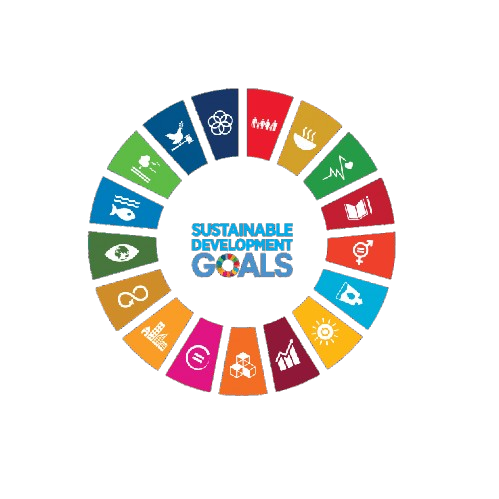
Aligned with
UN Sustainable Development Goals
This conference contributes to global sustainability by aligning its research discussions and academic sessions with key United Nations Sustainable Development Goals. It fosters knowledge exchange, innovation, and collaborative engagement.
Innovative Technologies in Petroleum Waste Treatment
This track focuses on the latest advancements in technologies for treating petroleum waste, including novel methods for oil/water separation and advanced filtration techniques. Participants will explore case studies demonstrating the effectiveness of these technologies in real-world applications.
Environmental Impacts of Petroleum Operations
This session examines the environmental consequences of various petroleum industry activities, including exploration, production, and refining. Discussions will highlight the need for sustainable practices and regulatory frameworks to mitigate these impacts.
Wastewater Management Strategies in the Petroleum Sector
Focusing on the management of wastewater generated in petroleum refining and petrochemical processes, this track will cover treatment methodologies and regulatory compliance. Participants will share insights on optimizing water use and minimizing wastewater generation.
Solid Waste Management in the Petroleum Industry
This session addresses the challenges and solutions associated with solid waste generated throughout the petroleum lifecycle, from exploration to refining. Emphasis will be placed on innovative disposal methods and recycling opportunities.
Regulatory Frameworks for Petroleum Waste Management
This track will explore the existing regulations governing petroleum waste management and their effectiveness in protecting the environment. Experts will discuss potential improvements and the role of policy in promoting sustainable practices.
Oil Spill Response and Remediation Techniques
This session will focus on the latest strategies and technologies for responding to oil spills, including containment, cleanup, and long-term remediation efforts. Case studies will illustrate successful interventions and lessons learned.
Characterization and Treatment of Oily Wastewaters
Participants in this track will delve into the methods for characterizing oily wastewaters produced in the petroleum industry and the various treatment options available. The discussion will include both conventional and innovative approaches to wastewater treatment.
Air Emissions Control in Petroleum Operations
This session will cover the control and treatment of air emissions resulting from petroleum extraction and refining processes. Participants will examine technologies and practices aimed at reducing air pollution and enhancing air quality.
Pollution Control Strategies in the Petroleum Industry
This track focuses on effective pollution control strategies that can be implemented within the petroleum sector to minimize environmental impacts. Discussions will include best practices and innovative approaches to pollution prevention.
Waste Management in Oil Transportation and Distribution
This session will explore the waste management challenges associated with the transportation and distribution of petroleum products. Participants will discuss strategies for minimizing waste and ensuring compliance with environmental regulations.
Sustainable Practices in Petroleum Waste Management
This track emphasizes the importance of sustainability in managing petroleum waste, highlighting practices that reduce environmental footprints. Participants will share successful case studies and explore future directions for sustainable waste management in the industry.