Conference Notifications:
"Be sure to check this section regularly for all Research Plus International Conference updates. We’ll keep you informed about deadlines, event details, and more important notifications."
Call for Papers Extended:
"The deadline for full paper submissions has been extended for the Research Plus International Conference in
Cartago. Submit your research by today to participate in one of the top conferences."
Certificate of Presentation:
"Present your research and receive a Certificate of Presentation to recognise your valuable contribution to the conference."
Abstract Submissions Open:
"Abstract submissions for the Cartago event are now open! Don’t miss the chance to present your research. Submit now."
Networking with Global Experts:
"Engage with researchers and professionals from around the world at the Cartago conference. Build collaborations and gain insights from leading experts."
Keynote Speaker Sessions:
"Don’t miss our Keynote Sessions in Cartago, featuring global leaders and innovators sharing their knowledge."
Best Paper & Best Paper Presentation Award:
"Submit your paper and stand a chance to win the Best Paper Presentation Award. The winner will be recognized at the conference in Cartago."
SDG-Inspired Conference Focus:
"Our conference will highlight research that addresses global sustainability, inclusive education, and solutions for environmental challenges."
Conference Session Tracks
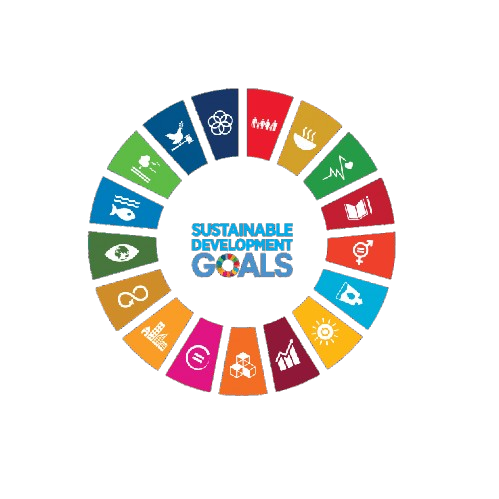
Aligned with
UN Sustainable Development Goals
This conference contributes to global sustainability by aligning its research discussions and academic sessions with key United Nations Sustainable Development Goals. It fosters knowledge exchange, innovation, and collaborative engagement.
Innovations in Water Treatment Technologies
This track focuses on the latest advancements in water treatment processes, including membrane technologies, adsorption techniques, and oxidation methods. Participants will explore the efficacy of these technologies in enhancing the quality of drinking water and managing secondary effluents.
Biotechnology for Environmental Sustainability
This session will delve into biotechnological approaches aimed at promoting environmental sustainability, including bioremediation and the development of biodegradable materials. Discussions will highlight the role of biotechnology in mitigating pollution and conserving biodiversity.
Air Quality Management and Pollution Control
This track addresses the challenges of air pollution and the innovative strategies for its control, including atmospheric modeling and emission source identification. Participants will discuss the implications of air quality on public health and the environment.
Bioprocess Engineering and Bioproduct Development
This session will cover the principles and applications of bioprocess engineering in the production of bioproducts, including biofuels and biopharmaceuticals. Emphasis will be placed on optimizing processes for efficiency and sustainability.
Ecological Engineering and Ecosystem Restoration
This track focuses on the principles of ecological engineering and its application in restoring degraded ecosystems. Participants will explore case studies and methodologies that promote ecological balance and biodiversity conservation.
Advancements in Biomedical Engineering
This session will highlight the latest innovations in biomedical engineering, including biomaterials and tissue engineering. Discussions will focus on the integration of engineering principles in developing solutions for healthcare challenges.
Climate Change and Environmental Dynamics
This track will examine the impacts of climate change on environmental systems and the dynamics of ecological interactions. Participants will discuss adaptive strategies and technologies to mitigate the effects of climate change.
Biosensors and Nanobiotechnology Applications
This session will explore the development and application of biosensors and nanobiotechnology in environmental monitoring and healthcare. Emphasis will be placed on the innovative use of nanomaterials for enhanced sensitivity and specificity.
Sustainable Agrotechnology and Food Production
This track will focus on sustainable agricultural practices and the role of biotechnology in enhancing food production. Discussions will include innovative techniques for improving crop resilience and reducing environmental impact.
Chemical Engineering Solutions for Environmental Challenges
This session will address the contributions of chemical engineering in developing clean technologies and sustainable practices. Participants will explore innovative solutions for waste management and resource recovery.
Biosustainability and Renewable Energy Sources
This track will discuss the principles of biosustainability and the development of renewable energy sources, such as biofuels and biogas. Participants will explore the potential of these resources in achieving energy security and environmental protection.