Conference Notifications:
"Be sure to check this section regularly for all Research Plus International Conference updates. We’ll keep you informed about deadlines, event details, and more important notifications."
Call for Papers Extended:
"The deadline for full paper submissions has been extended for the Research Plus International Conference in
Billund. Submit your research by today to participate in one of the top conferences."
Certificate of Presentation:
"Present your research and receive a Certificate of Presentation to recognise your valuable contribution to the conference."
Abstract Submissions Open:
"Abstract submissions for the Billund event are now open! Don’t miss the chance to present your research. Submit now."
Networking with Global Experts:
"Engage with researchers and professionals from around the world at the Billund conference. Build collaborations and gain insights from leading experts."
Keynote Speaker Sessions:
"Don’t miss our Keynote Sessions in Billund, featuring global leaders and innovators sharing their knowledge."
Best Paper & Best Paper Presentation Award:
"Submit your paper and stand a chance to win the Best Paper Presentation Award. The winner will be recognized at the conference in Billund."
SDG-Inspired Conference Focus:
"Our conference will highlight research that addresses global sustainability, inclusive education, and solutions for environmental challenges."
Conference Session Tracks
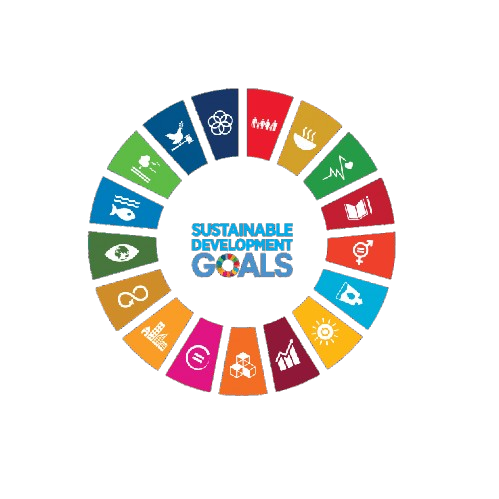
Aligned with
UN Sustainable Development Goals
This conference contributes to global sustainability by aligning its research discussions and academic sessions with key United Nations Sustainable Development Goals. It fosters knowledge exchange, innovation, and collaborative engagement.
Innovative Approaches in Hydrology
This track focuses on the latest methodologies and technologies in hydrological research. Contributions may include studies on water resource management, hydrological modeling, and the impact of climate change on water systems.
Geospatial Technologies in Geography
This session explores the application of geospatial technologies in understanding geographical phenomena. Topics may include remote sensing, GIS applications, and spatial data analysis.
Ecological Dynamics and Biodiversity
This track examines the interactions between organisms and their environments, emphasizing biodiversity conservation. Papers may address ecological modeling, habitat restoration, and the effects of anthropogenic activities on ecosystems.
Groundwater Resources and Management
This session highlights research on groundwater systems, including aquifer characterization and sustainable management practices. Discussions will focus on the challenges posed by over-extraction and pollution.
Climate Change Impacts on Earth Sciences
This track investigates the implications of climate change across various Earth science disciplines. Contributions may include studies on geological processes, hydrological cycles, and ecological responses to changing climates.
Sediment Transport and Erosion Processes
This session delves into the mechanisms of sediment transport and erosion in different environments. Research may cover river dynamics, coastal processes, and the role of human activities in altering sedimentation patterns.
Urban Hydrology and Water Quality
This track addresses the challenges of urban hydrology, focusing on water quality issues in metropolitan areas. Papers may explore stormwater management, pollution control, and the effects of urbanization on hydrological cycles.
Geological Hazards and Risk Assessment
This session focuses on the assessment and management of geological hazards such as earthquakes, landslides, and volcanic eruptions. Contributions will emphasize risk mitigation strategies and community preparedness.
Ecotoxicology and Environmental Health
This track examines the effects of pollutants on ecosystems and human health. Research may include studies on the bioaccumulation of toxins, ecological risk assessments, and remediation strategies.
Hydrological Extremes: Floods and Droughts
This session investigates the causes and consequences of hydrological extremes, including floods and droughts. Contributions may focus on predictive modeling, impact assessments, and adaptive management strategies.
Sustainable Practices in Earth Sciences
This track promotes discussions on sustainable practices within the fields of geology, geophysics, and ecology. Topics may include sustainable resource extraction, conservation strategies, and the role of science in policy-making.