Conference Notifications:
"Be sure to check this section regularly for all Research Plus International Conference updates. We’ll keep you informed about deadlines, event details, and more important notifications."
Call for Papers Extended:
"The deadline for full paper submissions has been extended for the Research Plus International Conference in
Belgrano. Submit your research by today to participate in one of the top conferences."
Certificate of Presentation:
"Present your research and receive a Certificate of Presentation to recognise your valuable contribution to the conference."
Abstract Submissions Open:
"Abstract submissions for the Belgrano event are now open! Don’t miss the chance to present your research. Submit now."
Networking with Global Experts:
"Engage with researchers and professionals from around the world at the Belgrano conference. Build collaborations and gain insights from leading experts."
Keynote Speaker Sessions:
"Don’t miss our Keynote Sessions in Belgrano, featuring global leaders and innovators sharing their knowledge."
Best Paper & Best Paper Presentation Award:
"Submit your paper and stand a chance to win the Best Paper Presentation Award. The winner will be recognized at the conference in Belgrano."
SDG-Inspired Conference Focus:
"Our conference will highlight research that addresses global sustainability, inclusive education, and solutions for environmental challenges."
Conference Session Tracks
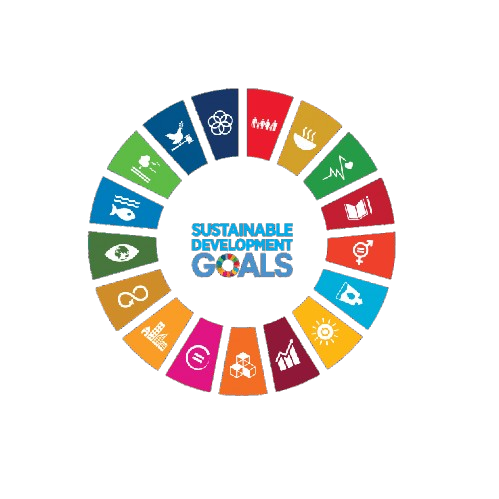
Aligned with
UN Sustainable Development Goals
This conference contributes to global sustainability by aligning its research discussions and academic sessions with key United Nations Sustainable Development Goals. It fosters knowledge exchange, innovation, and collaborative engagement.
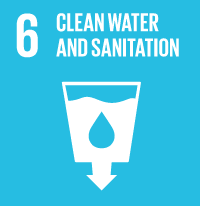
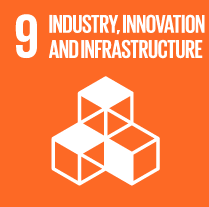
Advancements in Nanotechnology for Water Purification
This track will explore the latest innovations in nanomaterials specifically designed for enhancing water purification processes. Researchers will present studies on the efficacy of various nanofilters and adsorbents in removing contaminants from water sources.
Predictive Modeling in Water Treatment Systems
This session focuses on the application of predictive modeling techniques to optimize water treatment processes. Participants will discuss methodologies that leverage machine learning to forecast system performance and enhance decision-making.
Deep Learning Applications in Water Quality Monitoring
This track will delve into the use of deep learning algorithms for real-time water quality assessment. Presentations will highlight case studies where advanced analytics have improved monitoring and anomaly detection in water treatment facilities.
Feature Extraction Techniques for Water Treatment Data
This session will cover innovative feature extraction methods that facilitate the analysis of complex datasets in water treatment engineering. Researchers will share insights on how these techniques enhance model accuracy and system efficiency.
Workflow Automation in Water Treatment Engineering
This track will examine the integration of automation technologies in water treatment workflows. Discussions will focus on the benefits of automated systems for monitoring, data collection, and process optimization.
Integration of Industrial IoT in Water Treatment
This session will explore the role of Industrial IoT devices in enhancing water treatment processes. Experts will discuss how IoT integration can lead to improved system monitoring and performance analysis.
Material Characterization for Nanotechnology Applications
This track will focus on the characterization of nanomaterials used in water treatment applications. Participants will present methodologies for assessing the properties and performance of these materials in various environmental conditions.
Environmental Monitoring Using Nanotechnology
This session will highlight the application of nanotechnology in environmental monitoring efforts. Researchers will discuss innovative approaches to detect and quantify pollutants in water bodies using nanoscale materials.
Anomaly Detection Techniques in Water Treatment Systems
This track will address the challenges of detecting anomalies in water treatment processes. Presentations will cover various techniques, including supervised and unsupervised learning, to identify and mitigate operational issues.
Simulation and Analytics in Water Treatment Engineering
This session will focus on the use of simulation tools and analytics to enhance water treatment engineering practices. Participants will share insights on modeling techniques that predict system behavior and optimize performance.
Process Optimization Strategies in Nanotechnology Applications
This track will explore various strategies for optimizing water treatment processes through the application of nanotechnology. Discussions will include case studies that demonstrate significant improvements in efficiency and effectiveness.