Conference Notifications:
"Be sure to check this section regularly for all Research Plus International Conference updates. We’ll keep you informed about deadlines, event details, and more important notifications."
Call for Papers Extended:
"The deadline for full paper submissions has been extended for the Research Plus International Conference in
Mendoza. Submit your research by today to participate in one of the top conferences."
Certificate of Presentation:
"Present your research and receive a Certificate of Presentation to recognise your valuable contribution to the conference."
Abstract Submissions Open:
"Abstract submissions for the Mendoza event are now open! Don’t miss the chance to present your research. Submit now."
Networking with Global Experts:
"Engage with researchers and professionals from around the world at the Mendoza conference. Build collaborations and gain insights from leading experts."
Keynote Speaker Sessions:
"Don’t miss our Keynote Sessions in Mendoza, featuring global leaders and innovators sharing their knowledge."
Best Paper & Best Paper Presentation Award:
"Submit your paper and stand a chance to win the Best Paper Presentation Award. The winner will be recognized at the conference in Mendoza."
SDG-Inspired Conference Focus:
"Our conference will highlight research that addresses global sustainability, inclusive education, and solutions for environmental challenges."
Conference Session Tracks
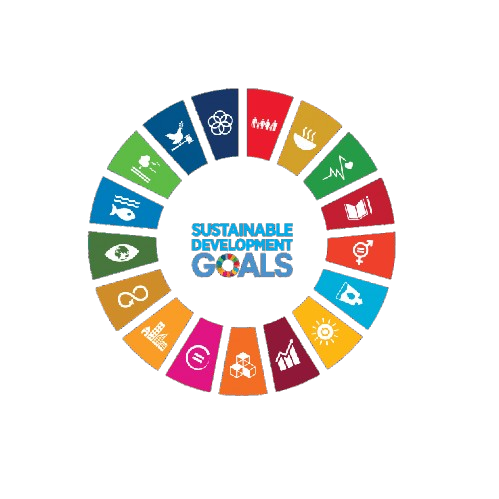
Aligned with
UN Sustainable Development Goals
This conference contributes to global sustainability by aligning its research discussions and academic sessions with key United Nations Sustainable Development Goals. It fosters knowledge exchange, innovation, and collaborative engagement.
Microplastic Bioaccumulation Mechanisms
This track focuses on the physiological and biochemical processes that lead to microplastic bioaccumulation in aquatic organisms. Studies exploring the factors influencing uptake and retention in various species will be highlighted.
Trophic Transfer of Microplastics
This session will examine the pathways through which microplastics are transferred across different trophic levels in aquatic ecosystems. Research on the implications of trophic transfer for food web dynamics and species interactions will be discussed.
Biomagnification of Microplastics in Aquatic Food Chains
This track will delve into the potential for microplastics to biomagnify within aquatic food chains, assessing the risks to higher trophic level species. Empirical studies and modeling approaches will be presented to elucidate this phenomenon.
Sediment Contamination and Microplastic Dynamics
This session will explore the role of sediments as reservoirs for microplastics and their impact on benthic organisms. Research on sediment-associated microplastics and their ecological consequences will be featured.
Human Consumption and Microplastic Exposure
This track will address the pathways through which microplastics enter the human food chain, particularly via seafood consumption. Studies assessing the health impacts of microplastic ingestion will be critically evaluated.
Ecological Risk Assessment of Microplastics
This session will focus on methodologies for assessing the ecological risks posed by microplastics in various environments. Case studies demonstrating risk assessment frameworks will be presented.
Environmental Exposure and Bioavailability of Microplastics
This track will investigate the factors affecting the bioavailability of microplastics in aquatic ecosystems. Research on environmental conditions that influence exposure levels in marine and freshwater species will be discussed.
Monitoring Microplastic Pollution in Aquatic Systems
This session will highlight innovative monitoring techniques for assessing microplastic pollution in various aquatic environments. The effectiveness of different sampling methods and analytical approaches will be evaluated.
Laboratory Studies on Microplastic Toxicity
This track will present laboratory-based research investigating the toxicological effects of microplastics on aquatic organisms. Studies examining dose-response relationships and mechanisms of toxicity will be featured.
Tissue Accumulation of Microplastics in Aquatic Species
This session will explore the patterns of tissue accumulation of microplastics in various aquatic species, including fish and shellfish. Research findings on the implications for organism health and ecosystem integrity will be discussed.
Pollution Pathways and Ecosystem Dynamics
This track will examine the pathways through which microplastics enter and circulate within aquatic ecosystems. Studies focusing on the interactions between microplastics and ecosystem dynamics will be presented.