Conference Notifications:
"Be sure to check this section regularly for all Research Plus International Conference updates. We’ll keep you informed about deadlines, event details, and more important notifications."
Call for Papers Extended:
"The deadline for full paper submissions has been extended for the Research Plus International Conference in
Munich. Submit your research by today to participate in one of the top conferences."
Certificate of Presentation:
"Present your research and receive a Certificate of Presentation to recognise your valuable contribution to the conference."
Abstract Submissions Open:
"Abstract submissions for the Munich event are now open! Don’t miss the chance to present your research. Submit now."
Networking with Global Experts:
"Engage with researchers and professionals from around the world at the Munich conference. Build collaborations and gain insights from leading experts."
Keynote Speaker Sessions:
"Don’t miss our Keynote Sessions in Munich, featuring global leaders and innovators sharing their knowledge."
Best Paper & Best Paper Presentation Award:
"Submit your paper and stand a chance to win the Best Paper Presentation Award. The winner will be recognized at the conference in Munich."
SDG-Inspired Conference Focus:
"Our conference will highlight research that addresses global sustainability, inclusive education, and solutions for environmental challenges."
Conference Session Tracks
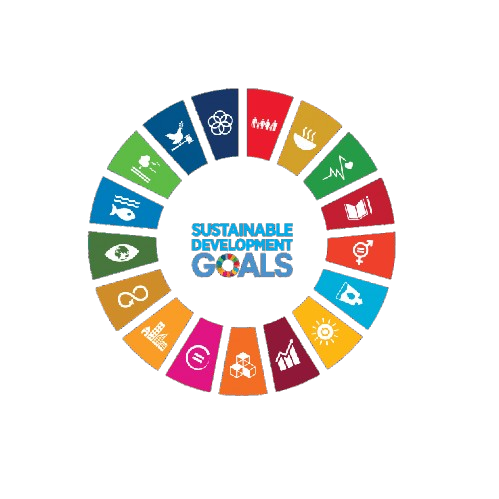
Aligned with
UN Sustainable Development Goals
This conference contributes to global sustainability by aligning its research discussions and academic sessions with key United Nations Sustainable Development Goals. It fosters knowledge exchange, innovation, and collaborative engagement.
Islamic Economics: Principles and Practices
This track explores the foundational principles of Islamic economics and their practical applications in contemporary society. It aims to analyze how these principles can address modern economic challenges while promoting social justice.
Social Justice in Islamic Thought
This session focuses on the concept of social justice as articulated in Islamic teachings and its implications for contemporary social policies. It seeks to examine the intersection of Islamic ethics and social equity in various cultural contexts.
Islamic Finance: Innovations and Challenges
This track investigates the latest innovations in Islamic finance and the challenges faced by the sector in a globalized economy. Discussions will include regulatory frameworks, ethical considerations, and the role of Islamic finance in poverty alleviation.
Zakat and Waqf: Mechanisms for Social Welfare
This session delves into the roles of zakat and waqf in promoting social welfare and economic equity within Muslim communities. It will highlight successful case studies and explore strategies for enhancing their effectiveness in addressing poverty.
Ethics in Economic Practices: An Islamic Perspective
This track examines the ethical dimensions of economic practices from an Islamic viewpoint, emphasizing moral economy and ethical investment. It aims to foster discussions on integrating ethical considerations into economic decision-making.
Redistribution and Economic Equity in Islam
This session focuses on the Islamic perspective on wealth redistribution and its implications for achieving economic equity. Participants will explore historical and contemporary practices that align with Islamic teachings on fairness and justice.
Islamic Development: Strategies for Sustainable Growth
This track addresses the concept of development within an Islamic framework, emphasizing sustainable growth and social justice. It will explore various strategies that align economic development with ethical and moral imperatives.
Poverty Alleviation: Islamic Approaches and Solutions
This session seeks to identify and analyze Islamic approaches to poverty alleviation, focusing on practical solutions that have been implemented in different contexts. Discussions will include the role of community engagement and social entrepreneurship.
Islamic Banking: Challenges and Opportunities
This track explores the challenges and opportunities facing Islamic banking in the modern financial landscape. It will address issues of compliance, innovation, and the potential for Islamic banking to contribute to social justice.
Moral Economy: Bridging Faith and Finance
This session examines the concept of moral economy in the context of Islamic teachings, focusing on how faith can inform financial practices. Participants will discuss the implications for ethical business conduct and social responsibility.
Economic Reform: Islamic Perspectives and Global Implications
This track investigates the role of Islamic perspectives in shaping economic reform initiatives worldwide. It aims to foster dialogue on how Islamic principles can contribute to global economic stability and social justice.