Journal consideration and publication are subject to editorial review, peer review and applicable journal policies.
Conference Notifications:
"Be sure to check this section regularly for all Research Plus International Conference updates. We’ll keep you informed about deadlines, event details, and more important notifications."
Call for Papers Extended:
"The deadline for full paper submissions has been extended for the Research Plus International Conference in
Milan. Submit your research by today to participate in one of the top conferences."
Certificate of Presentation:
"Present your research and receive a Certificate of Presentation to recognise your valuable contribution to the conference."
Abstract Submissions Open:
"Abstract submissions for the Milan event are now open! Don’t miss the chance to present your research. Submit now."
Networking with Global Experts:
"Engage with researchers and professionals from around the world at the Milan conference. Build collaborations and gain insights from leading experts."
Keynote Speaker Sessions:
"Don’t miss our Keynote Sessions in Milan, featuring global leaders and innovators sharing their knowledge."
Best Paper & Best Paper Presentation Award:
"Submit your paper and stand a chance to win the Best Paper Presentation Award. The winner will be recognized at the conference in Milan."
SDG-Inspired Conference Focus:
"Our conference will highlight research that addresses global sustainability, inclusive education, and solutions for environmental challenges."
Conference Session Tracks
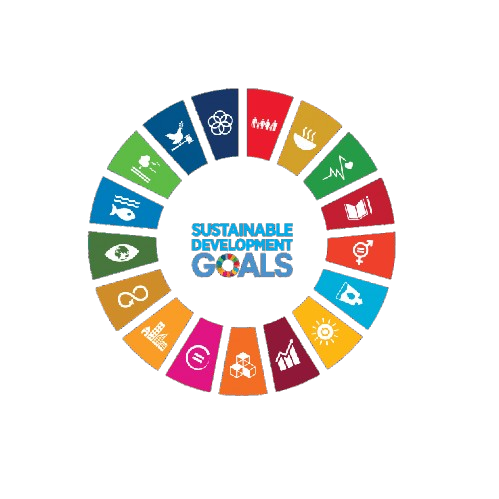
Aligned with
UN Sustainable Development Goals
This conference contributes to global sustainability by aligning its research discussions and academic sessions with key United Nations Sustainable Development Goals. It fosters knowledge exchange, innovation, and collaborative engagement.
Corruption and Its Impact on Public Finance
This track explores the intricate relationship between corruption and public finance, examining how corrupt practices undermine fiscal policies and resource allocation. Papers may analyze case studies or theoretical frameworks that highlight the economic consequences of corruption on public budgets.
Institutions and Governance in Public Economics
Focusing on the role of institutions in shaping governance outcomes, this track invites research that investigates how institutional quality influences public economic policies. Contributions may include empirical studies or theoretical analyses of governance structures and their effectiveness in combating corruption.
Transparency and Accountability in Public Policy
This session emphasizes the importance of transparency and accountability mechanisms in enhancing public policy effectiveness. Papers should address strategies for improving governance through increased transparency and the role of civil society in holding institutions accountable.
Fiscal Policy Responses to Corruption
This track examines how fiscal policy can be designed and implemented to mitigate the effects of corruption on economic growth and social welfare. Researchers are encouraged to present innovative fiscal strategies that promote integrity and reduce opportunities for corrupt practices.
Political Economy of Anti-Corruption Measures
This session explores the political economy surrounding anti-corruption initiatives, analyzing the motivations and incentives of various stakeholders involved. Papers may discuss the effectiveness of different anti-corruption strategies and their implications for public trust and governance.
Inequality and Corruption: A Dual Challenge
This track investigates the interplay between corruption and economic inequality, focusing on how corrupt practices exacerbate disparities in wealth and opportunity. Contributions should explore both theoretical perspectives and empirical evidence linking corruption to social and economic inequality.
Development Economics and Governance
This session addresses the critical role of governance in development economics, particularly in low- and middle-income countries. Papers should discuss how effective governance frameworks can foster sustainable development and reduce corruption.
Public Welfare and Corruption: Assessing the Impact
This track focuses on the implications of corruption for public welfare programs and social safety nets. Researchers are invited to analyze how corruption affects the delivery and effectiveness of social services aimed at improving citizen well-being.
Economic Growth in the Face of Corruption
This session explores the challenges and opportunities for economic growth in environments characterized by high levels of corruption. Papers may investigate case studies or theoretical models that illustrate the relationship between corruption and economic performance.
Public Policy Innovations Against Corruption
This track encourages submissions on innovative public policy approaches designed to combat corruption effectively. Researchers should focus on successful case studies and the role of technology and citizen engagement in enhancing policy outcomes.
Evaluating the Effectiveness of Anti-Corruption Frameworks
This session aims to critically assess existing anti-corruption frameworks and their effectiveness in various contexts. Contributions should provide insights into best practices and lessons learned from different countries' experiences in implementing anti-corruption measures.