Conference Notifications:
"Be sure to check this section regularly for all Research Plus International Conference updates. We’ll keep you informed about deadlines, event details, and more important notifications."
Call for Papers Extended:
"The deadline for full paper submissions has been extended for the Research Plus International Conference in
Seoul. Submit your research by today to participate in one of the top conferences."
Certificate of Presentation:
"Present your research and receive a Certificate of Presentation to recognise your valuable contribution to the conference."
Abstract Submissions Open:
"Abstract submissions for the Seoul event are now open! Don’t miss the chance to present your research. Submit now."
Networking with Global Experts:
"Engage with researchers and professionals from around the world at the Seoul conference. Build collaborations and gain insights from leading experts."
Keynote Speaker Sessions:
"Don’t miss our Keynote Sessions in Seoul, featuring global leaders and innovators sharing their knowledge."
Best Paper & Best Paper Presentation Award:
"Submit your paper and stand a chance to win the Best Paper Presentation Award. The winner will be recognized at the conference in Seoul."
SDG-Inspired Conference Focus:
"Our conference will highlight research that addresses global sustainability, inclusive education, and solutions for environmental challenges."
Conference Session Tracks
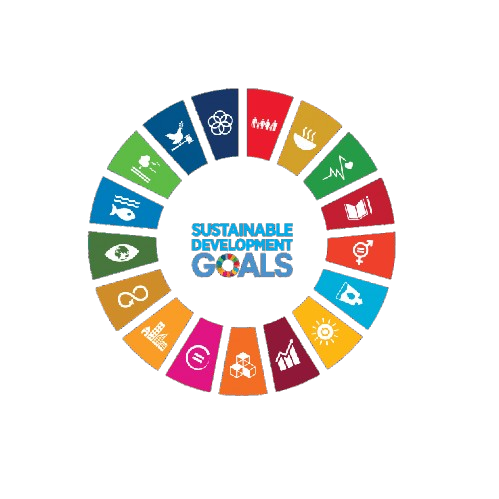
Aligned with
UN Sustainable Development Goals
This conference contributes to global sustainability by aligning its research discussions and academic sessions with key United Nations Sustainable Development Goals. It fosters knowledge exchange, innovation, and collaborative engagement.
Nutrient Cycling in Coastal Ecosystems
This track focuses on the dynamics of nutrient cycling in coastal environments, emphasizing the roles of nitrogen, phosphorus, and other essential elements. Researchers are invited to present studies that elucidate the interactions between biogeochemical processes and coastal productivity.
Carbon Flux and Climate Change
This session will explore the mechanisms of carbon flux in both coastal and open ocean systems, particularly in the context of climate change. Contributions should address how alterations in carbon dynamics impact marine ecosystems and global carbon budgets.
Microbial Processes in Biogeochemistry
This track highlights the critical role of microbial communities in biogeochemical cycles, including their influence on nutrient transformations and organic matter degradation. Presentations should focus on innovative methodologies to study microbial processes in marine environments.
Sediment Interactions and Biogeochemical Cycling
This session will investigate the interactions between sediments and overlying water in shaping biogeochemical processes. Topics may include sediment nutrient release, microbial activity in sediments, and the implications for coastal and open ocean ecosystems.
Chemical Tracers in Oceanography
This track emphasizes the use of chemical tracers to understand oceanographic processes and biogeochemical dynamics. Researchers are encouraged to present findings that utilize tracers to investigate nutrient sources, transport mechanisms, and ecosystem responses.
Environmental Monitoring and Marine Ecosystems
This session will focus on methodologies and technologies for monitoring environmental changes in marine ecosystems. Contributions should address the implications of monitoring data for understanding biogeochemical processes and ecosystem health.
Biogeochemical Modeling Approaches
This track invites presentations on the development and application of biogeochemical models to predict nutrient cycling and ecosystem responses. Emphasis will be placed on integrating observational data with modeling efforts to enhance understanding of marine biogeochemistry.
Ocean-Atmosphere Exchange Processes
This session will explore the interactions between the ocean and atmosphere, particularly in relation to gas exchange and its implications for biogeochemical cycles. Studies should address the role of these exchanges in climate regulation and marine productivity.
Dissolved Organic Matter Dynamics
This track focuses on the sources, composition, and fate of dissolved organic matter in marine environments. Presentations should highlight the role of dissolved organic matter in nutrient cycling and its impact on microbial processes.
Biogeochemical Hotspots in Marine Environments
This session will investigate areas of high biogeochemical activity, often referred to as hotspots, and their significance in marine ecosystems. Contributions should explore the factors that contribute to hotspot formation and their ecological implications.
Trophic Interactions and Ecosystem Functioning
This track examines the relationships between trophic interactions and biogeochemical processes in marine ecosystems. Researchers are invited to present studies that link food web dynamics to nutrient cycling and ecosystem health.