Conference Notifications:
"Be sure to check this section regularly for all Research Plus International Conference updates. We’ll keep you informed about deadlines, event details, and more important notifications."
Call for Papers Extended:
"The deadline for full paper submissions has been extended for the Research Plus International Conference in
victoria-Mahe. Submit your research by today to participate in one of the top conferences."
Certificate of Presentation:
"Present your research and receive a Certificate of Presentation to recognise your valuable contribution to the conference."
Abstract Submissions Open:
"Abstract submissions for the victoria-Mahe event are now open! Don’t miss the chance to present your research. Submit now."
Networking with Global Experts:
"Engage with researchers and professionals from around the world at the victoria-Mahe conference. Build collaborations and gain insights from leading experts."
Keynote Speaker Sessions:
"Don’t miss our Keynote Sessions in victoria-Mahe, featuring global leaders and innovators sharing their knowledge."
Best Paper & Best Paper Presentation Award:
"Submit your paper and stand a chance to win the Best Paper Presentation Award. The winner will be recognized at the conference in victoria-Mahe."
SDG-Inspired Conference Focus:
"Our conference will highlight research that addresses global sustainability, inclusive education, and solutions for environmental challenges."
Conference Session Tracks
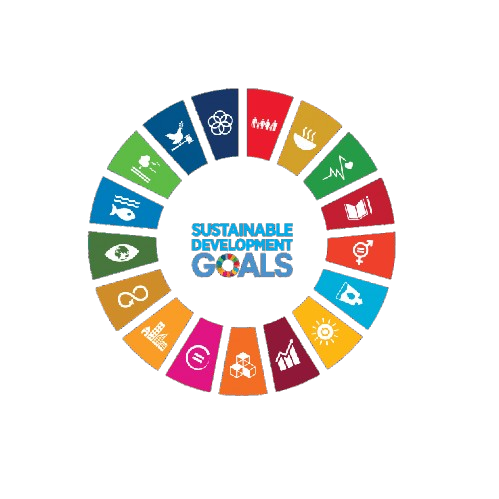
Aligned with
UN Sustainable Development Goals
This conference contributes to global sustainability by aligning its research discussions and academic sessions with key United Nations Sustainable Development Goals. It fosters knowledge exchange, innovation, and collaborative engagement.
Impacts of Climate Change on Freshwater Ecosystems
This track will explore the effects of climate change on freshwater ecosystems, focusing on alterations in biodiversity and ecosystem services. Researchers are encouraged to present studies that highlight the resilience and adaptability of these systems under changing climatic conditions.
Water Quality Assessment in a Changing Climate
This session will address methodologies and technologies for assessing water quality in the context of climate variability. Contributions should emphasize innovative approaches to monitoring and evaluating the impacts of climate change on water quality parameters.
Nutrient Loading and Its Effects on Aquatic Health
This track will investigate the relationship between nutrient loading and aquatic ecosystem health, particularly under the influence of climate change. Papers should focus on case studies and models that demonstrate the implications of nutrient enrichment on water quality.
Urban Water Pollution and Climate Resilience
This session will delve into the challenges posed by urban water pollution in the face of climate change. Participants are invited to discuss strategies for enhancing urban water systems' resilience and sustainability.
Hydrological Processes and Water Quality Interactions
This track will focus on the complex interactions between hydrological processes and water quality under changing climate regimes. Researchers are encouraged to present findings that elucidate the dynamics of water movement and its implications for water quality.
Drinking Water Quality Challenges in a Warming World
This session will address the challenges associated with maintaining drinking water quality in the context of climate change. Contributions should highlight emerging contaminants and the effectiveness of treatment technologies under varying climatic conditions.
Agricultural Runoff and Its Impact on Water Quality
This track will explore the effects of agricultural runoff on water quality, particularly in relation to climate-induced changes in precipitation patterns. Papers should focus on mitigation strategies and best practices for reducing runoff impacts.
Climate-Water Interactions: A Multidisciplinary Perspective
This session will provide a platform for interdisciplinary research on the interactions between climate and water systems. Participants are encouraged to share insights from climatology, hydrology, and water resource management.
Watershed Management Strategies Under Climate Change
This track will focus on effective watershed management strategies that address the challenges posed by climate change. Researchers are invited to present case studies and innovative practices that enhance watershed resilience.
Aquatic Ecosystem Health Monitoring Techniques
This session will highlight advanced monitoring techniques for assessing aquatic ecosystem health in the context of climate variability. Contributions should emphasize the integration of technology and field data to improve monitoring efforts.
Policy and Governance for Water Quality in a Changing Climate
This track will examine the role of policy and governance in managing water quality amidst climate change challenges. Participants are encouraged to discuss frameworks and policies that promote sustainable water management practices.