Conference Notifications:
"Be sure to check this section regularly for all Research Plus International Conference updates. We’ll keep you informed about deadlines, event details, and more important notifications."
Call for Papers Extended:
"The deadline for full paper submissions has been extended for the Research Plus International Conference in
Geneva. Submit your research by today to participate in one of the top conferences."
Certificate of Presentation:
"Present your research and receive a Certificate of Presentation to recognise your valuable contribution to the conference."
Abstract Submissions Open:
"Abstract submissions for the Geneva event are now open! Don’t miss the chance to present your research. Submit now."
Networking with Global Experts:
"Engage with researchers and professionals from around the world at the Geneva conference. Build collaborations and gain insights from leading experts."
Keynote Speaker Sessions:
"Don’t miss our Keynote Sessions in Geneva, featuring global leaders and innovators sharing their knowledge."
Best Paper & Best Paper Presentation Award:
"Submit your paper and stand a chance to win the Best Paper Presentation Award. The winner will be recognized at the conference in Geneva."
SDG-Inspired Conference Focus:
"Our conference will highlight research that addresses global sustainability, inclusive education, and solutions for environmental challenges."
Conference Session Tracks
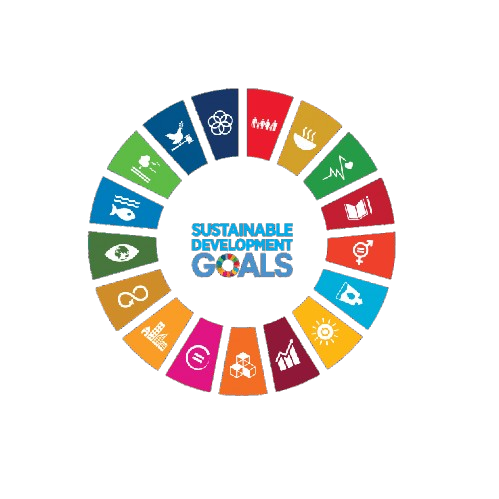
Aligned with
UN Sustainable Development Goals
This conference contributes to global sustainability by aligning its research discussions and academic sessions with key United Nations Sustainable Development Goals. It fosters knowledge exchange, innovation, and collaborative engagement.
Dynamics of Upwelling Systems
This track focuses on the physical processes governing upwelling systems and their impact on nutrient availability. Researchers are invited to present studies that elucidate the mechanisms driving upwelling and its implications for marine ecosystems.
Biogeochemical Fluxes in Coastal Regions
This session will explore the biogeochemical cycles in coastal upwelling zones, emphasizing nutrient cycling and its influence on primary productivity. Contributions should highlight the interactions between physical and chemical processes that regulate these fluxes.
Plankton Dynamics and Ecosystem Function
This track aims to investigate the role of plankton in marine food webs and their response to environmental changes in upwelling regions. Presentations should focus on plankton community structure, dynamics, and their contributions to ecosystem productivity.
Ocean-Atmosphere Interactions
This session will delve into the interplay between oceanic and atmospheric processes in upwelling systems. Studies should address how these interactions influence climate patterns and marine ecosystem health.
Nutrient Transport Mechanisms
This track will cover the various mechanisms of nutrient transport in upwelling systems, including physical, chemical, and biological processes. Researchers are encouraged to present innovative methodologies and findings related to nutrient dynamics.
Carbon Fluxes in Marine Ecosystems
This session focuses on the quantification and modeling of carbon fluxes in upwelling regions, assessing their role in global carbon cycles. Contributions should highlight the implications of these fluxes for climate change and marine biodiversity.
Trophic Dynamics and Energy Transfer
This track aims to explore the trophic interactions within marine ecosystems influenced by upwelling. Presentations should examine energy transfer efficiency and the implications for ecosystem stability and resilience.
Oceanographic Processes and Marine Chemistry
This session will investigate the physical and chemical oceanographic processes that shape the biogeochemistry of upwelling systems. Researchers are invited to present studies on nutrient chemistry, water column stratification, and their ecological consequences.
Primary Productivity in Upwelling Zones
This track will focus on the factors influencing primary productivity in upwelling regions, including light availability, nutrient concentrations, and biological interactions. Contributions should provide insights into the ecological significance of primary production in these systems.
Ecological Responses to Climate Variability
This session will address how climate variability affects marine ecosystems in upwelling regions, focusing on species distribution, community structure, and ecosystem services. Presentations should highlight adaptive strategies and resilience mechanisms.
Innovative Technologies in Ocean Research
This track will showcase cutting-edge technologies and methodologies used in oceanographic research, particularly in studying upwelling systems. Researchers are encouraged to present advancements in remote sensing, modeling, and field sampling techniques.