Conference Notifications:
"Be sure to check this section regularly for all Research Plus International Conference updates. We’ll keep you informed about deadlines, event details, and more important notifications."
Call for Papers Extended:
"The deadline for full paper submissions has been extended for the Research Plus International Conference in
Budapest. Submit your research by today to participate in one of the top conferences."
Certificate of Presentation:
"Present your research and receive a Certificate of Presentation to recognise your valuable contribution to the conference."
Abstract Submissions Open:
"Abstract submissions for the Budapest event are now open! Don’t miss the chance to present your research. Submit now."
Networking with Global Experts:
"Engage with researchers and professionals from around the world at the Budapest conference. Build collaborations and gain insights from leading experts."
Keynote Speaker Sessions:
"Don’t miss our Keynote Sessions in Budapest, featuring global leaders and innovators sharing their knowledge."
Best Paper & Best Paper Presentation Award:
"Submit your paper and stand a chance to win the Best Paper Presentation Award. The winner will be recognized at the conference in Budapest."
SDG-Inspired Conference Focus:
"Our conference will highlight research that addresses global sustainability, inclusive education, and solutions for environmental challenges."
Conference Session Tracks
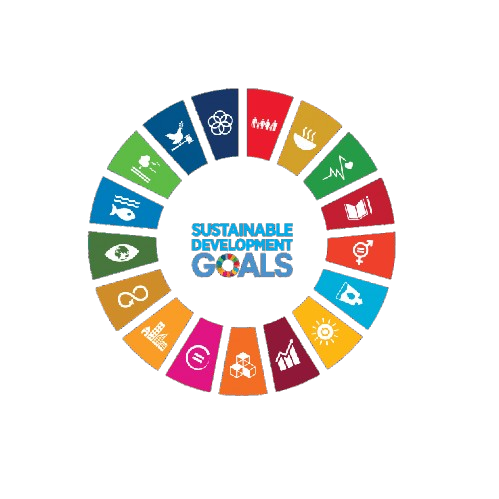
Aligned with
UN Sustainable Development Goals
This conference contributes to global sustainability by aligning its research discussions and academic sessions with key United Nations Sustainable Development Goals. It fosters knowledge exchange, innovation, and collaborative engagement.
Microplastic Accumulation Dynamics in Freshwater Ecosystems
This track focuses on the mechanisms and processes driving microplastic accumulation in freshwater systems, including lakes, rivers, and reservoirs. Studies addressing sediment deposition and biofilm formation will be emphasized to understand their roles in microplastic dynamics.
Impact of Microplastics on Aquatic Organisms
Research presented in this track will explore the effects of microplastic ingestion and exposure on various aquatic organisms. Emphasis will be placed on physiological, behavioral, and ecological consequences of microplastic contamination.
Water Chemistry and Microplastic Interactions
This session will investigate how water chemistry influences the behavior, distribution, and fate of microplastics in freshwater systems. Studies on chemical interactions, adsorption processes, and their implications for aquatic life will be highlighted.
Environmental Monitoring and Assessment of Microplastics
This track will cover methodologies and technologies for monitoring microplastic pollution in freshwater environments. Presentations will focus on sampling strategies, particle distribution, and the development of standardized assessment protocols.
Trophic Interactions and Microplastic Transfer
Research in this session will examine the pathways through which microplastics are transferred across trophic levels in freshwater ecosystems. Studies will address the implications of microplastic ingestion for food webs and ecosystem health.
Human Exposure to Microplastics in Freshwater Systems
This track will explore the routes and implications of human exposure to microplastics through freshwater resources. Research addressing health risks, consumption patterns, and public health implications will be discussed.
Spatial Distribution and Accumulation Hotspots of Microplastics
This session will focus on the spatial patterns of microplastic distribution in freshwater systems, identifying accumulation hotspots. Studies utilizing geographic information systems and remote sensing techniques will be featured.
Temporal Trends in Microplastic Pollution
Research presented in this track will analyze temporal trends in microplastic accumulation and its impacts on freshwater ecosystems over time. Longitudinal studies and time-series analyses will be emphasized.
Mitigation Strategies for Microplastic Pollution
This session will explore innovative strategies and policies aimed at mitigating microplastic pollution in freshwater systems. Discussions will include best practices, community engagement, and regulatory frameworks.
Sediment Dynamics and Microplastic Interaction
This track will delve into the interactions between microplastics and sediment in freshwater environments. Research will focus on sediment transport, deposition patterns, and the implications for ecosystem functioning.
Ecosystem Impacts of Microplastic Contamination
This session will examine the broader ecological impacts of microplastic contamination in freshwater systems. Studies addressing biodiversity loss, habitat degradation, and ecosystem resilience will be highlighted.