Conference Notifications:
"Be sure to check this section regularly for all Research Plus International Conference updates. We’ll keep you informed about deadlines, event details, and more important notifications."
Call for Papers Extended:
"The deadline for full paper submissions has been extended for the Research Plus International Conference in
Budapest. Submit your research by today to participate in one of the top conferences."
Certificate of Presentation:
"Present your research and receive a Certificate of Presentation to recognise your valuable contribution to the conference."
Abstract Submissions Open:
"Abstract submissions for the Budapest event are now open! Don’t miss the chance to present your research. Submit now."
Networking with Global Experts:
"Engage with researchers and professionals from around the world at the Budapest conference. Build collaborations and gain insights from leading experts."
Keynote Speaker Sessions:
"Don’t miss our Keynote Sessions in Budapest, featuring global leaders and innovators sharing their knowledge."
Best Paper & Best Paper Presentation Award:
"Submit your paper and stand a chance to win the Best Paper Presentation Award. The winner will be recognized at the conference in Budapest."
SDG-Inspired Conference Focus:
"Our conference will highlight research that addresses global sustainability, inclusive education, and solutions for environmental challenges."
Conference Session Tracks
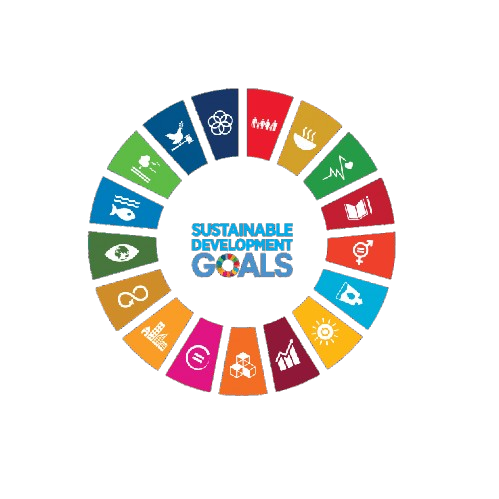
Aligned with
UN Sustainable Development Goals
This conference contributes to global sustainability by aligning its research discussions and academic sessions with key United Nations Sustainable Development Goals. It fosters knowledge exchange, innovation, and collaborative engagement.

Theoretical Perspectives on Bilingualism
This track invites papers that explore various theoretical frameworks related to bilingualism. Contributions may include discussions on cognitive, sociolinguistic, and psycholinguistic perspectives.
Second Language Acquisition Processes
This session focuses on the mechanisms and processes involved in second language acquisition. Researchers are encouraged to present empirical studies that shed light on effective learning strategies and cognitive development.
Multilingualism in Educational Contexts
This track examines the role of multilingualism in educational settings, addressing both challenges and opportunities. Papers should investigate pedagogical approaches that support multilingual learners.
Language Development Across the Lifespan
This session seeks to understand how language development occurs at different life stages, from early childhood to adulthood. Contributions may include longitudinal studies and cross-sectional analyses.
Communication Strategies in Bilingual Contexts
This track explores the communication strategies employed by bilingual individuals in various social contexts. Papers may focus on code-switching, language choice, and the impact of cultural factors.
Cognitive Benefits of Bilingualism
This session invites research that investigates the cognitive advantages associated with bilingualism. Topics may include executive function, problem-solving skills, and cognitive flexibility.
Societal Impacts of Multilingualism
This track examines how multilingualism shapes societal dynamics and cultural identity. Contributions should explore the implications of language diversity on social cohesion and integration.
Language Policy and Planning
This session focuses on the implications of language policy and planning in bilingual and multilingual societies. Papers may address issues related to language rights, education policy, and community engagement.
Technology and Language Learning
This track explores the role of technology in facilitating language learning and acquisition. Researchers are encouraged to present innovative approaches that leverage digital tools and resources.
Cultural Influences on Language Learning
This session investigates how cultural contexts influence language learning and usage. Contributions may include case studies that highlight the interplay between culture and language acquisition.
Assessment and Evaluation in Language Learning
This track focuses on the methodologies and practices of assessing language proficiency in bilingual and multilingual learners. Papers should explore innovative assessment tools and their effectiveness in educational settings.